I’ve been thinking about the concept of peace for a long time.
In my family, peace was the absence of conflict, something you kept by not arguing, not rocking the boat.
In the Christian environment I was born into in college, peace was this magical quality that helped you make decisions. “I had a peace about it.”
Lovely, except that “not rocking the boat” can lead to enabling unhealthiness, and create more relational strain than an honest approach.
And for me, decision making is inherently un-peaceful. I literally have NEVER “had a peace” about a decision before it is made, because I fear making wrong decisions.
Thankfully, at some point in my twenties, I heard one of my favorite Bible teachers explain peace as the product of trust in God and submission to the Prince of Peace. “AHA!” I thought, “Finally, a peace that seems healthy and attainable for me.” And I still think true peace in my spirit comes first and foremost when I am trusting God and surrendered to His goodness, regardless of my circumstances.
But that definition of peace is limited to my own experience – I can trust and surrender to God’s goodness myself, but I can’t force it on others. And as I continued to study my Bible, particularly the Psalms and New Testament Kingdom theology, I increasingly felt the need for a broader definition. A peace we can live out of, but also into.
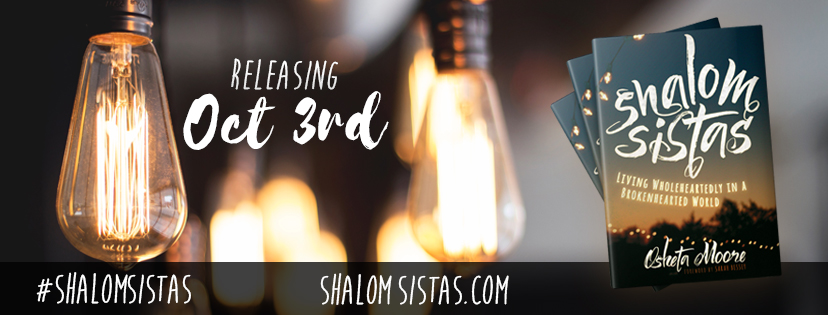
I found it when I learned the concept of Shalom. The word translated peace in our English Old Testaments means wellness, completeness, safety, flourishing.
 Renee Davis Meyer